
When to go for Umrah, if the date is yours to choose
The short answer. If the date is genuinely yours to choose, the month decides more of your cost and your experience than any package comparison will. Ramadan is the most rewarded, the most expensive and the most crowded. The stretches outside Ramadan, Hajj season and the school breaks are the cheapest and the quietest, and hot. Taking parents, or going for the first time, a quiet cooler month is usually the better trip.
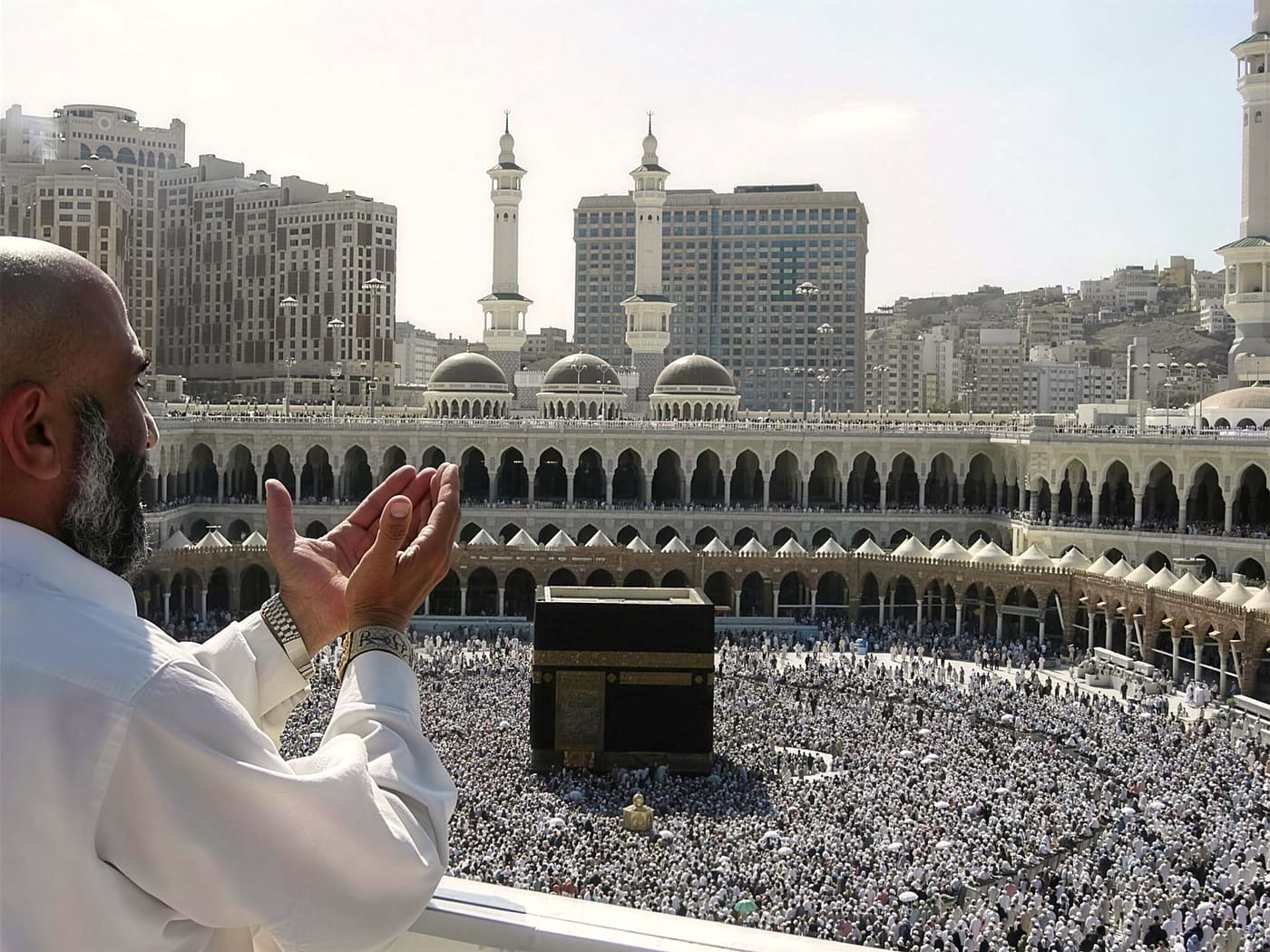
If your dates are fixed by work or by school, skip this page; the honest advice is to go when you can go. But if the date is genuinely yours to choose, it is the single largest lever you have over both the cost and the experience, and most people never think about it until the quote arrives.
Ramadan: the most rewarded, the most expensive, the most crowded
An Umrah in Ramadan carries immense reward, and the last ten nights carry the most. Everybody knows this, which is precisely why it is the hardest time to do it comfortably.
Expect the highest prices of the year, by a wide margin. Expect hotels near the Haram to be booked many months ahead. Expect the Mataf to be full at times you would not imagine, and expect to queue.
Who it suits: people for whom the reward is the whole point and who are prepared, physically and financially, for the crowd. Travelling light, fit, and with flexible expectations.
Who should think twice: first-time pilgrims, anyone travelling with small children, and anyone with elderly parents whose mobility is limited. The reward is real; so is the crush, and it is very hard to look after somebody in it.
The school holidays
Not a religious season but a practical one. Families travel when children are free, so summer and the winter break carry their own price rise, smaller than Ramadan's but real.
Summer also means the heat, which in Makkah is not an inconvenience but a serious factor for anyone older.
Who it suits: families who have no other option, and who plan around the heat rather than pretend it will not be there.
The quiet months
The stretches outside Ramadan, Hajj season and the school breaks are the cheapest and the easiest, and almost nobody talks about them.
The same hotel, the same distance from the Haram, the same rites, at a noticeably lower price. Shorter queues. Room to sit in the Haram rather than compete for a space. For an older traveller, or a first Umrah where you would like to understand what you are doing rather than be swept along, this is usually the better trip.
Who it suits: almost everybody who is not specifically going for Ramadan. First-timers especially.
Just before or just after Hajj
The weeks around Hajj are their own situation. Makkah is at capacity, visa routes change, and Umrah access is restricted at points in the calendar. It is not a time to plan around casually.
Who it suits: nobody choosing freely. Ask before you commit to anything in this window.
The heat, which is not a season but decides everything
Between roughly May and September, the afternoon in Makkah and Madinah is brutal. People underestimate it every year.
If you are travelling with parents, this matters more than the price. A cooler month, even at a slightly higher fare, buys a trip they can actually walk through. We have seen families spend well to be close to the Haram and then lose half the days to exhaustion because of the month they chose.
The short version
- Going for the reward of Ramadan, and able for it? Book far, far ahead.
- Taking parents, or going for the first time? A quiet, cooler month.
- Tied to school holidays? Plan hard around the heat.
- Anywhere near Hajj season? Ask first.
Tell us who is travelling, roughly when you are free, and what you want to spend, and we will tell you which month gets you the most for it. Sometimes the answer is that moving your trip by three weeks saves more than any package comparison will. WhatsApp.
Our own Umrah packages and what each one covers are on the services page, with the current Hajj rates beside them.
Next: what Umrah from Karachi actually costs, and the visa, and why you cannot apply for it yourself.