
Hajj guide for first time pilgrims from Pakistan
The short answer. Decide the scheme, fix the passport and the vaccination with a waiting period, verify whoever takes you, and then spend your preparation on walking rather than on shopping. The journey itself is a few days of enormous crowds and real physical effort around a handful of obligations, and the single thing that decides how well you manage it is where you sleep in Mina, not where you sleep in Makkah.
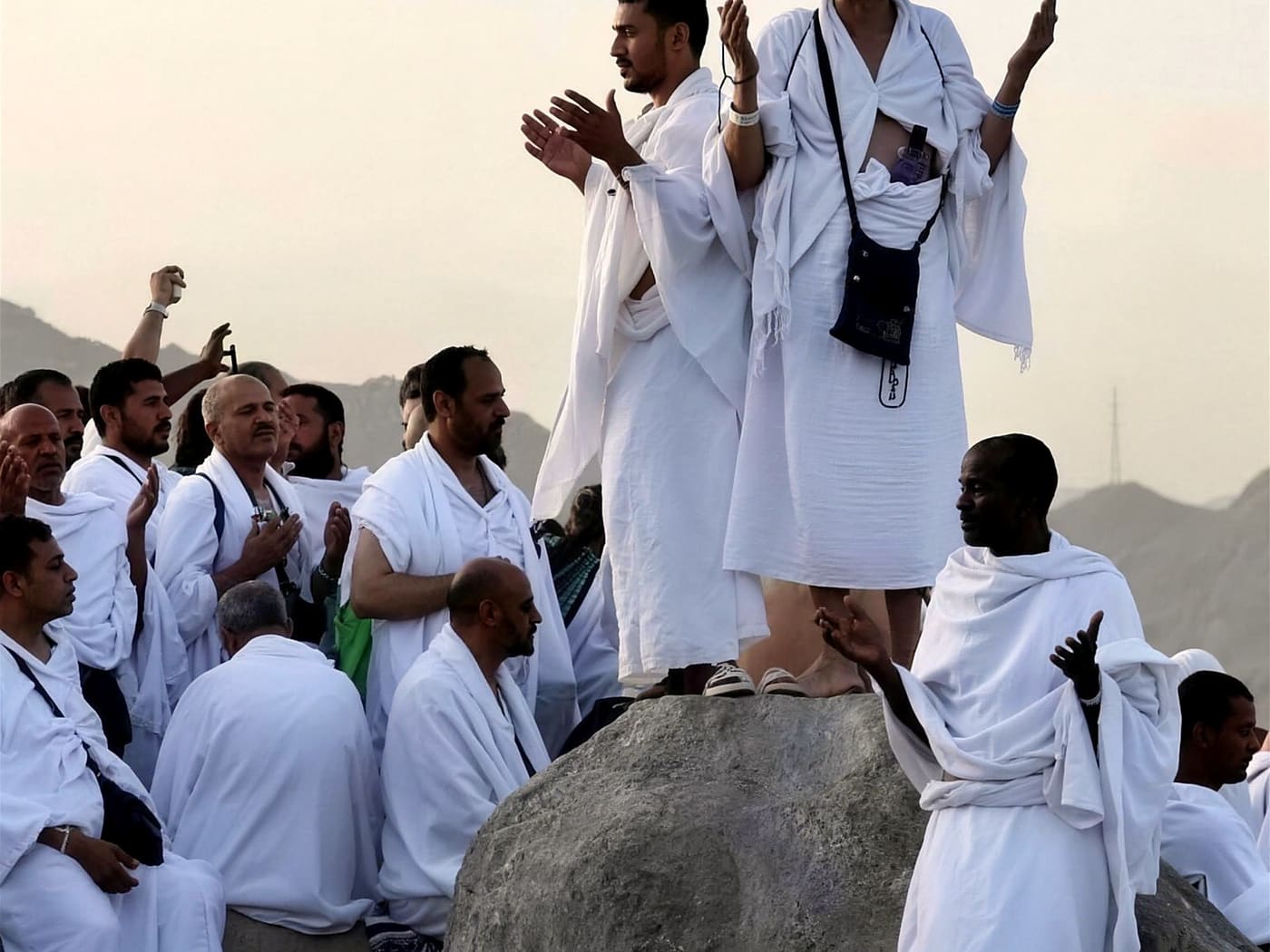
This is written for somebody going for the first time who wants to know what the experience is actually shaped like. It is not a book of rites; learn those from your scholar. It is the practical picture, from an office in Karachi that has been sending groups for two generations.
If you want the administrative version first, the schemes, the quota and the application, that is Hajj from Pakistan: a complete guide.
The shape of the journey
Most first timers imagine Hajj as a long stay in Makkah with a few days of rites in the middle. It is closer to the opposite: a stay built entirely around a few days that ask a great deal of you.
- Before. Days in Makkah or Madinah, depending on the package. This part is calm.
It is also where people exhaust themselves by trying to do everything.
- The days themselves. Mina, Arafat, Muzdalifah, then the Jamarat and back. This
is the part that is physically hard: heat, crowds, walking, broken sleep, and
very little privacy.
- After. Quieter days, the remaining obligations, and usually Madinah if it was
not before.
Everything a package costs is really about those middle days and how far you have to walk during them.
What actually decides how it goes
The Mina camp. Its category and where it sits. This decides the walk to the Jamarat and what the tent is like when you come back to it. It matters more than the hotel and it is the question almost no first timer asks.
The walk in Makkah. Not the distance on a map but the distance at two in the morning, in a crowd, with whoever is travelling with you.
Your legs. The preparation nobody does. Walk for months beforehand, in the shoes you will wear. Returning pilgrims mention this more than anything else.
Who is responsible for you. How many pilgrims are under one group leader, and whether that leader is staff or hired for the season. You discover the value of this on the day something goes wrong.
What nobody tells you beforehand
You will not sleep properly. Plan for it rather than being shocked by it. Rest when resting is possible, even in the middle of the day.
The crowds are not like crowds at home. Not frightening, but constant. Agree with your family, in advance, what you do if you are separated, and carry the numbers on paper.
The heat is a different heat. Water, shade, and the cooler hours when you have the choice.
Most of the difficulty is logistical, not spiritual. Knowing that in advance is oddly steadying. The queue, the walk and the waiting are the test as much as anything else.
You will want to do more than you can. Extra Ziyarat, extra shopping, extra everything, squeezed around the obligations. Fewer things, done properly, with rest between them, is what people are glad of afterwards.
The order to prepare in
- Passport expiry, today.
- Government scheme or private. Nothing else can be planned first.
- The vaccination with the waiting period. It belongs at the start.
- Documents that agree with each other: passport, CNIC, NADRA.
- Verify the organiser, then ask the real questions.
- Walk, for months.
- Pack late and light.
The full version, in order, is the Hajj preparation checklist, and what goes in the bag is in what to pack for Hajj from Pakistan.
If you are taking a parent
This is most of what we are asked, and the answer is almost always the same: it is decided by the Mina category, the Jamarat walk and the hotel distance, not by willpower.
Tell whoever is booking about mobility before the package is chosen. Afterwards very little can be changed. A good organiser will steer you to a different package and will say so plainly.
The mistakes to know about now
The full list is in common mistakes first time Hajj pilgrims make. The three that cost the most:
- Spending the budget on the hotel and taking the cheapest Mina category.
- Leaving the vaccination with the waiting period until the final weeks.
- Not training for the walking.
And the one thing worth saying plainly
No package makes Hajj comfortable, and you should be suspicious of one that promises to. What a good package buys is that the hardship lands in the right places: the rites, the heat and the crowds, rather than a two kilometre walk back to a bad tent at midnight because the camp was the cheapest category available.
Choose for that.
Where to start
Our current departures, with the Mina category, the hotels by name and their distances, what each price includes and excludes, and the Munazzim's name and licence number, are on the Hajj packages page. Send us your dates and who is travelling and we will tell you honestly what suits, including when that is the government scheme rather than us.