
The Schengen visa from Pakistan, and what a file actually needs
The short answer. Twenty-nine countries share one visa. A Pakistani passport needs a short stay visa, type C, for every one of them. Apply to the country where you will spend the most nights, no earlier than six months before you travel and no later than fifteen days before. The fee is ninety euros for an adult, plus the visa centre's own service charge. Nearly every refusal we see is a thin file, not a bad reason to travel.
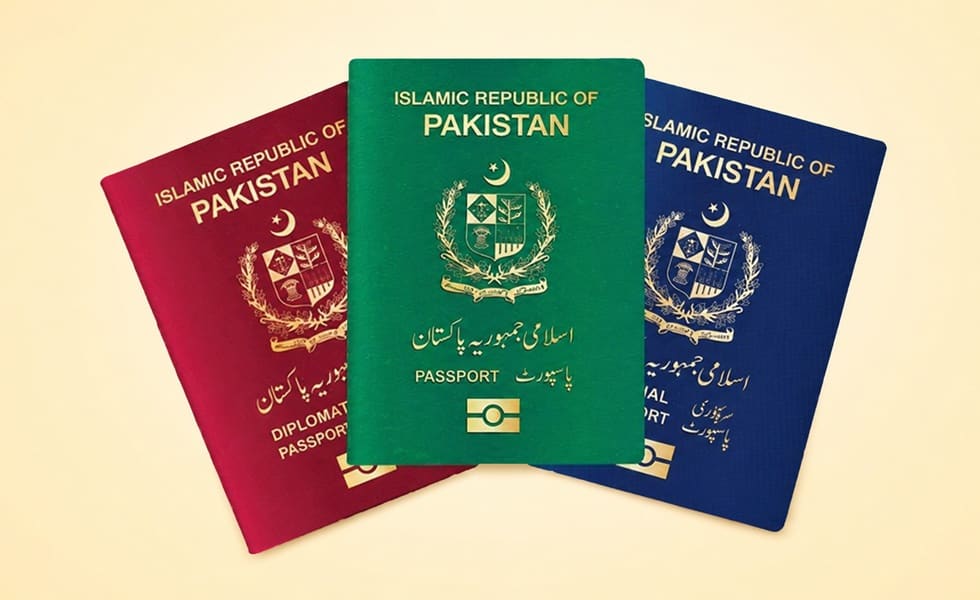
Most people arrive at this office with a folder and a worry. The folder is usually right. The worry is usually about the wrong thing.
A Schengen consulate is not sitting in judgement on whether you deserve to see Rome. It is answering one narrow question: is this person going to go, do what they said, and come back. Everything in the file exists to answer that question, and a file that answers it clearly is a file that gets stamped. A file that leaves the question open gets refused, and the refusal letter almost never says which page was missing.
Which of the eight you apply to is not a free choice
This is the part people get wrong most often, and it is the part that costs the most when it goes wrong.
You do not pick the consulate with the shortest queue. The rule is the country where you will spend the most nights. If you are flying to Milan for two nights and then taking the train to Paris for six, you apply to France, not Italy, whatever your first flight says.
If the nights are genuinely equal across two countries, then it is the country you enter first. And if you apply to the wrong one, the consulate is entitled to refuse the file on that ground alone, without ever reading the rest of it.
Once you hold the visa, it works across all twenty-nine. The restriction is on where you apply, not on where you then travel.
The eight we file from this office
Germany, Italy, Spain, France, the Netherlands, Greece, Switzerland and Malta. They share the Schengen rules, the fee and the document list. What differs is the appointment: each consulate uses its own visa application centre in Pakistan, with its own calendar, and some of them run months ahead in summer. That calendar, not the paperwork, is usually what decides whether your trip is possible on the dates you had in mind.
What the file needs
Every item here has a reason. We have put the reason next to it, because a document you understand is a document you will not forget.
- The application form, completed and signed. Every answer on it has to
agree with every other paper in the file. A date that contradicts your flight
booking is read as carelessness at best.
- **A passport valid at least three months beyond the day you leave the
Schengen Area**, issued within the last ten years, with at least two blank
pages. An old passport renewed eleven years ago will be refused at the counter
before it reaches an officer.
- Two photographs, 35 mm by 45 mm, white background, taken within the last
six months. Studios in Karachi know this size as the Schengen size. Do not
reuse the ones from your passport.
- Travel medical insurance for at least thirty thousand euros, valid in
every Schengen country, covering the whole of your trip. This one is
mandatory, it is the item most often left out, and a file without it is not
assessed at all.
- Proof that you can pay for the trip. Bank statements, usually six months,
stamped by the bank. Salary slips. A sponsor's papers if somebody else is
paying.
- Proof of where you will sleep. Hotel bookings for the whole stay, or a
tenancy agreement, or an invitation from a host with their own documents
attached.
- A return flight itinerary showing the dates and the flight numbers. A
booking, not a ticket. Do not buy the ticket before the visa.
- A covering letter saying who you are, where you are going, why, who is
paying and when you will be back.
- Employment papers. A letter on your employer's letterhead with your
position, your salary and how long you have been there, and the approved
leave for the exact dates. If you run your own business, the registration and
the tax papers instead.
- The NADRA Family Registration Certificate, attested by the Ministry of
Foreign Affairs.
Your fingerprints and photograph are taken at the visa centre. If you have given them for a Schengen visa in the last fifty-nine months they can often be reused, which is worth asking about before you book an appointment for the whole family.
What it costs and how long it takes
The consulate fee is ninety euros for an adult and forty-five for a child between six and twelve. Under six is free. On top of that the visa centre charges its own service fee, which is theirs and not the consulate's.
The fee is paid in rupees at the rate the centre is using that day, which is why the number you were quoted last month is not the number you will pay. It is not refunded if the visa is refused. That is true everywhere, and it is the reason we would rather spend an extra week on a file than send it early and thin.
Fifteen working days is the normal answer. Some files go to a further check and take thirty, and in a few cases forty-five. Summer is slower than winter and the weeks around Eid are slower than either.
Apply no earlier than six months, no later than fifteen days
Six months before departure is the earliest the rules allow. Fifteen calendar days before is the latest.
In practice neither edge is where you want to be. Apply at six months and your bank statements will be stale by the time you fly. Apply at fifteen days and a single extra check ends the trip. Six to eight weeks ahead is the window we aim for, and earlier than that in June, July and August, when the appointment calendar rather than the file is the thing standing in your way.
Two things that changed, and one that did not
The stamps are gone. Since the tenth of April 2026 the Entry/Exit System has been running at every external Schengen border. Instead of an officer stamping your passport, your face and fingerprints are recorded at a machine on the way in and again on the way out. Expect the first crossing to take longer than you are used to. Your ninety days are now counted by a computer rather than by someone reading ink, so an overstay that used to pass unnoticed no longer does.
ETIAS is not yours to worry about. You will read a great deal about it and almost none of it applies to you. ETIAS is for nationalities that can enter Europe without a visa at all. A Pakistani passport is not one of them, so there is nothing for you to apply for and nothing extra to pay. You need the visa, and the visa is what this page is about.
The ninety day rule did not change. A short stay visa allows ninety days in any one hundred and eighty, across the whole area, not ninety days per country. People lose future visas over this far more often than they lose them over paperwork.
Can I apply for a Schengen visa without a confirmed hotel and flight?
No, and you should not want to. The consulate needs to see where you will sleep and when you will leave. What it does not need is a paid ticket. Use a held booking or a reservation your agent can issue, and buy the ticket once the visa is in your hand. Buying first is how people lose a fare as well as a visa.
My visa was refused once. Does that end it?
It does not. A refusal letter carries a reason code, and most of the codes point at something fixable: a gap in the bank statements, insurance that did not cover the whole trip, a purpose the file did not make clear. Bring us the letter. The second file is built around whatever the first one failed to answer, and we would rather read the refusal than guess at it.
How long before my trip should I come to you?
Two to three months for summer travel, six to eight weeks otherwise. Not because the file takes that long to build, but because the appointment calendar does not care how ready you are.
Do you guarantee the visa?
No, and nobody honestly can. The decision belongs to the consulate alone. What we are responsible for is that the file is complete, consistent and submitted to the right consulate on the right date, which is the part that is actually in anyone's control. Any agent who promises you a visa is either misunderstanding their job or misrepresenting it.
Before you pay anything
Requirements change, and they change without announcement. The list on this page is what a Schengen file needs as it stands today, and we check it against the consulate before every submission rather than trusting any list, including this one.
Bring the passports to the office in Saddar, or send a photograph of them on WhatsApp, and we will tell you what your particular file needs before you spend a rupee on it.